
Step 1: Define Your Purpose and Goals
Before diving into the logistics, clarify your event's purpose and goals. Are you raising funds for a cause, promoting fitness, or simply creating a sense of community? Having a clear vision will guide your decisions throughout the planning process.
Step 2: Establish a Budget
Determine the financial aspects of your event. Consider expenses like permits, marketing, signage, timing systems, medical personnel, refreshments, and awards. Estimate these costs and set a budget that aligns with your goals.
Step 3: Choose a Date and Location
Select a date that doesn't clash with other major events and allows participants ample time for preparation. The location should accommodate the anticipated number of participants and offer a safe and scenic route. Ensure that you secure any necessary permits or permissions.
Step 4: Build a Team
Assembling a dedicated team is crucial. Delegate responsibilities such as logistics, marketing, sponsorships, participant registration, and safety. Clearly define roles and establish effective communication channels among team members.
Step 5: Secure Sponsors and Partnerships
Sponsors can provide financial support and resources. Approach local businesses, fitness clubs, and community organizations that align with your event's purpose. Offer various sponsorship packages with corresponding benefits to entice potential sponsors.
Step 6: Plan Registration Process
Create an online registration platform where participants can sign up easily. Offer different registration tiers with varying perks. Provide options for early bird registration, group rates, and virtual participation for those unable to attend in person.
Step 7: Marketing and Promotion
Develop a comprehensive marketing plan to spread the word about your event. Utilize social media, local newspapers, radio, and community bulletin boards. Design eye-catching posters, banners, and flyers. Leverage partnerships with local media outlets to enhance coverage.
Step 8: Logistics and Operations
Plan the logistics meticulously. Arrange for portable restrooms, water stations, medical aid, and security personnel along the route. Coordinate with local law enforcement to ensure the safety of participants and spectators.
Step 9: Timing and Results
Hire a professional timing company to accurately record participants' times. Consider offering electronic timing chips for accurate results. Announce results promptly after the race and recognize top finishers.
Step 10: Event Day Execution
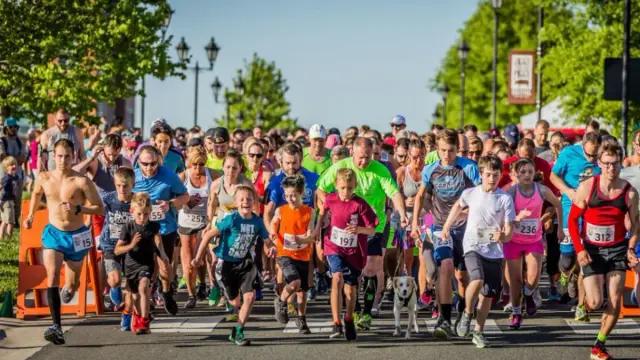
Have a detailed schedule for event day, including setup, participant check-in, and a clear start time. Assign volunteers to various roles, such as distributing race packets, directing participants, and providing water.
Step 11: Post-Event Activities
After the run, keep the momentum going with post-event activities. Consider organizing a cool-down stretch session, health expo, or awards ceremony. Gather feedback from participants to identify areas for improvement.
Step 12: Evaluation and Future Planning
Assess the event's success by reviewing participant feedback, sponsor satisfaction, and financial outcomes. Identify what went well and what could be improved for future events. Use this knowledge to refine your approach next time.